
AI Littering Detection Catch littering as it happens, with proof you can act on.
Cameras in corridors and bin areas that recognise littering and send security a photo and clip of it.

Today's reality
Littering is the complaint patrols never solve: by the time a guard arrives the rubbish is there and the person is gone. AI cameras recognise littering as it happens and send security a timestamped photo and clip.
Our approach
Automated litter detection with instant alerts.
From the camera to the guard, in four steps.
Camera covers area
Corridors, lift lobbies, bin areas.
- Real-time littering detection via AI camera analytics
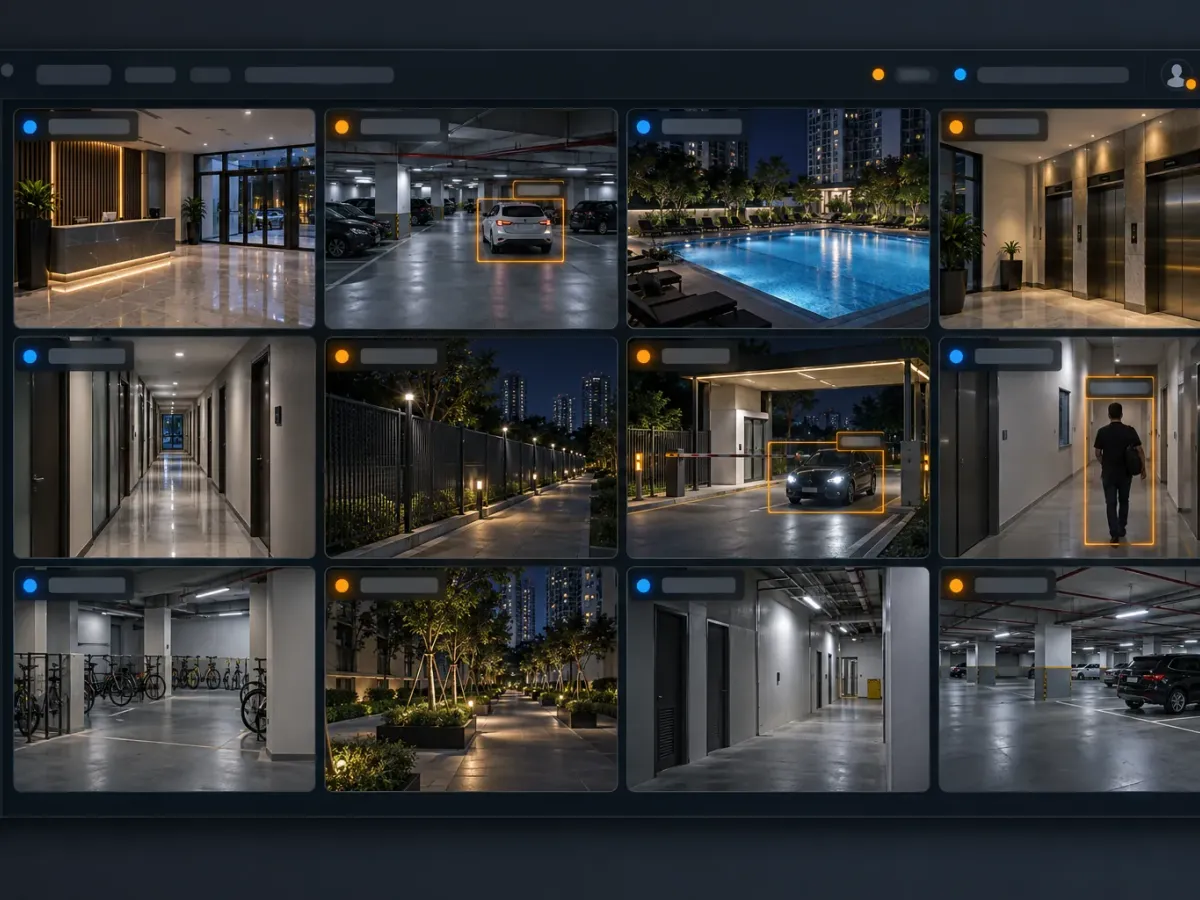
AI sees littering
Recognises rubbish being dropped or thrown.
- Immediate alert to security or management on detection
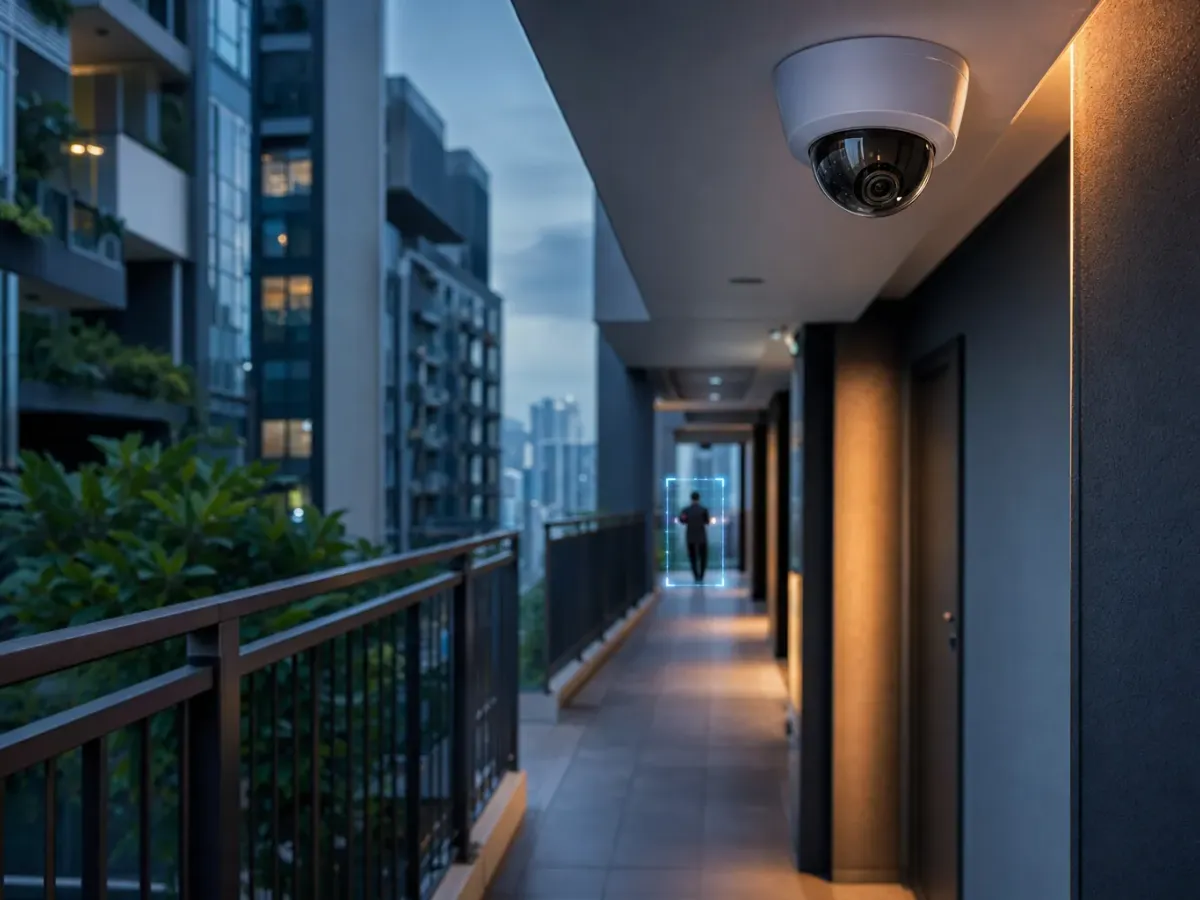
Security alerted
Instantly, with a timestamped photo and clip.
- Evidence capture — timestamped image / video of the event
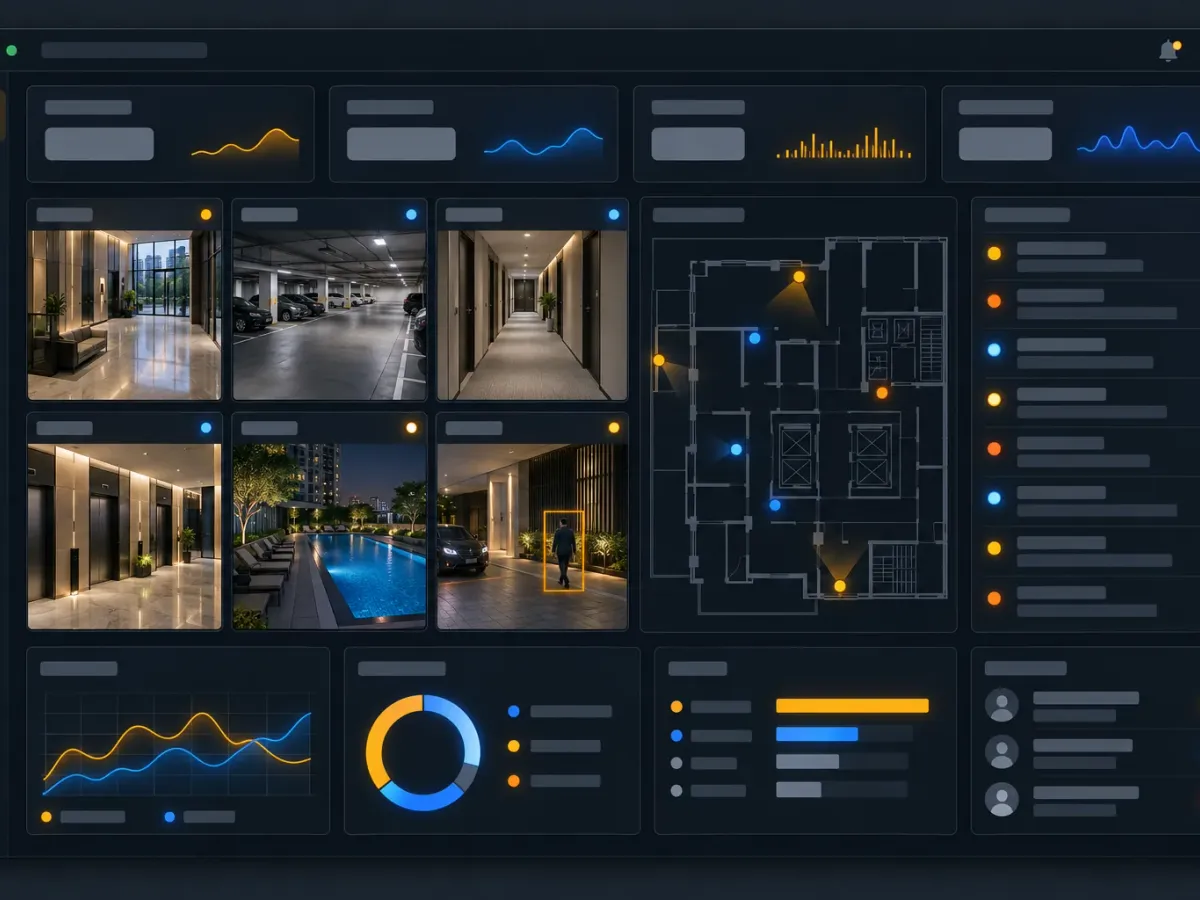
Hotspots shown
Management sees where it happens most.
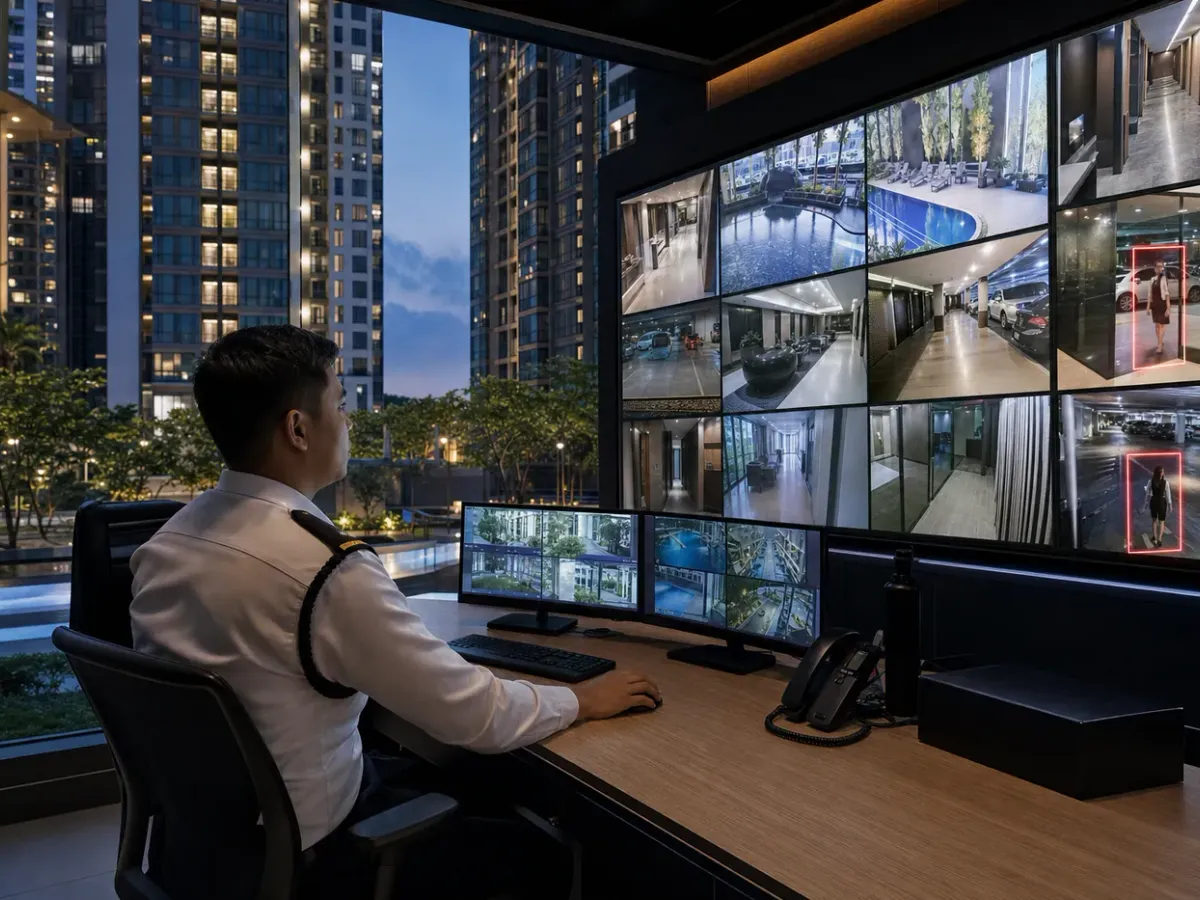
In detail
What is included.
Hotspot analysis of high-frequency littering areas
Deterrence through visible cameras and signage
Reporting dashboard for management review
Results
What the building gets.
- ProofPhoto and video for JMB action
- No patrolsNo extra guards needed
- HotspotsKnow where to put signs and cleaners
Why RS Techwin
Built, installed and watched by one team.
A dedicated control room
Client systems are monitored from our own control room, so faults and alerts are seen by people who can act on them.
AI that earns its name
Our cameras and analytics detect real events, such as intrusion, littering, loitering and plate mismatches, and send proof the committee can act on.
In-house engineering
We build and customise our systems rather than resell boxes, so a solution can be shaped to the building instead of the other way round.

Platform integration
Cameras are the starting point, not the whole system.
Every solution reports to the same platform, so an alert from one system can be checked against the others.
See the platform
Platform
One screen for every camera
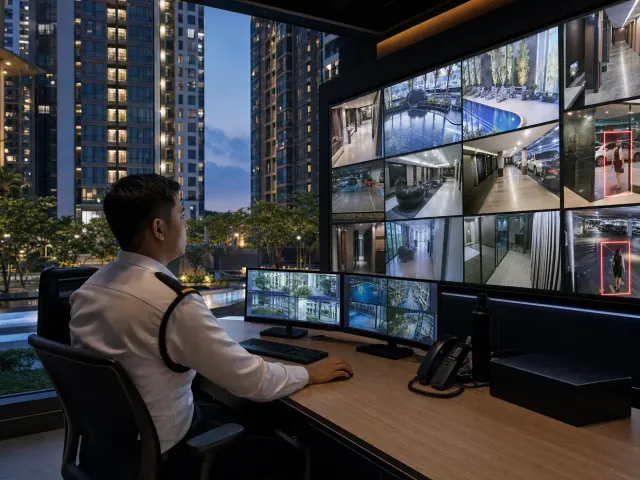
Every Watch camera reports to the AI visual monitoring platform, so an intrusion alert, a littering clip and a wrong-way car arrive on the same dashboard with the snapshot attached, in the guardhouse and in our control room.
Field-operations app
Faults become jobs
When a camera or recorder needs attention, the technician gets the job in the field-operations app with the location and photos, and closes it with a record of the fix.
Control room and maintenance
Tuned by the team that installed it
Our control room sees the same alerts as your guards, and under the maintenance contract the same engineers keep the cameras, recorders and AI rules tuned and updated.
Getting started
From site survey to handover.
Site survey and risk review
An engineer walks the site, maps entry points and blind spots, and reviews what you already have.
Design and proposal with three-quote compliance
A clear design and itemised proposal, prepared to support your committee's three-quote process.
Installation by our own technicians
Our in-house team cables, installs and commissions every system.
Handover, training and maintenance
We train your guards and managers, hand over documentation and stay on for maintenance.
Related solutions
Solutions that work alongside it.

Need answers?
Frequently asked questions
Who is it for?
Buildings where residents complain about littering.
Do we need new cameras in the corridors?
Not always. The detection runs on AI camera analytics covering corridors, lift lobbies and bin areas; at the site survey an engineer checks which existing cameras can be used and where a camera is missing.
What evidence does management get?
A timestamped image and video of each event, sent to security or management at once, plus a hotspot analysis and reporting dashboard that shows where littering happens most, so signs and cleaners go where they are needed.
Who maintains it?
Our own technicians, under a maintenance contract: scheduled servicing and health reports. The engineers who install a system are the ones who maintain it.
How do we start?
With a site survey: an engineer walks the site, maps entry points and blind spots and reviews what you already have. You then get a clear design and an itemised proposal prepared to support your committee's three-quote process.
Request a site visitNext steps
Catch it on camera.
Act on the proof.
Tell us about the site. An engineer calls back within one working day to arrange a survey.
Or call 03-2779 2690